THE RIGHT TOOL. A BETTER BUILD. Independent thinking for UK tool buyers
Our approach
UNDERSTAND THE TRADE-OFF

Combi drill vs SDS drill: start with the wall

A few holes in a suitable brick wall and repeated drilling into hard concrete are different buying briefs. A combi drill combines everyday drilling and screw driving with a hammer mode. An SDS rotary hammer belongs to a different tool family, with its own bit fitting and percussion mechanism. Neither label is a promise about every wall: identify the material, hole requirements and exact model before choosing.

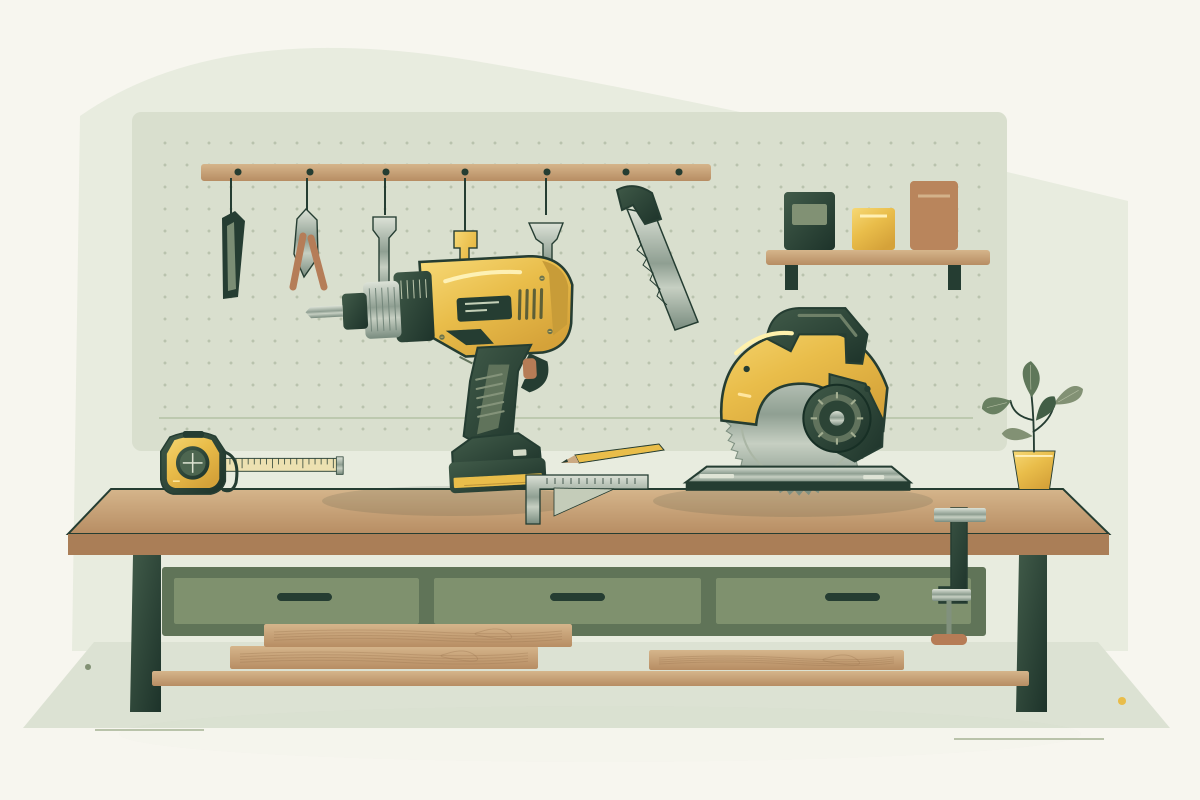
Illustration accompanying the comparison of combi drill and sds rotary hammerTHE JOB COMES FIRST.

Educational tool-type comparison. General principles and buying considerations; no hands-on testing, model rankings or verified live prices. Check exact product documentation before buying.

THE SHORT VERSION

Two approaches.
Different strengths.

01 / YOUR OPTIONS

Combi drill

A general-purpose drill with modes for drilling, driving and suitable masonry work.

Where it helps

  • One tool can cover a varied mix of everyday jobs.
  • An adjustable chuck accepts a range of suitably sized accessories.
  • A driving clutch can help when assembling and fastening.

Keep in mind

  • Hammer mode is not the same mechanism as an SDS rotary hammer.
  • Suitability for a wall depends on the material and stated model capacity.
  • A more capable masonry tool may be needed for demanding or repeated work.
02 / YOUR OPTIONS

SDS rotary hammer

A dedicated drilling family using an SDS fitting and a percussion mechanism intended for suitable masonry tasks.

Where it helps

  • Worth considering when masonry drilling is a regular part of the brief.
  • Dedicated bit retention suits the relevant SDS system.
  • Some models have additional operating modes, if documented.

Keep in mind

  • Often a less versatile first purchase for furniture and ordinary screw driving.
  • Different SDS fitting families and accessories must not be treated as interchangeable.
  • Weight, control and the complete working setup need consideration.
SIDE BY SIDE

The differences that matter.

These are type-level distinctions. Features, fittings and capacities vary by exact model.

Combi drill and SDS rotary hammer: buying considerations
ConsiderationCombi drillSDS rotary hammer
Typical buying briefMixed DIY with occasional suitable masonryMore demanding or repeated suitable masonry work
Bit retentionAdjustable chuckA specified SDS fitting
Screw drivingUsually a normal part of the tool’s roleNot a substitute for a drill driver by default
Important model checkMaterials, modes and drilling capacitiesSDS family, modes and intended applications
Extra costsSuitable bits and a complete battery kit if cordlessCompatible bits, power supply and required support equipment
PUT THE JOB IN THE PICTURE

Which sounds like your work?

01 / THE SITUATION

A first toolkit for varied home repairs

Consider a combi drill first

Its broader drilling and driving role may fit the brief, with masonry suitability checked for the actual job.

02 / THE SITUATION

Regular work involving demanding masonry

Look at an appropriate SDS rotary hammer

Define the material, required holes and compatible accessories before comparing exact models.

03 / THE SITUATION

An unknown wall and an uncertain fixing plan

Resolve the job requirements first

More capable equipment does not establish the substrate, hidden services or safe fixing arrangement.

Identify the material before the tool

“A wall” is not a useful material specification. Plasterboard, brick, block and reinforced concrete behave differently, and the visible finish may conceal the substrate. The fixing also belongs in the decision: its manufacturer’s instructions determine what hole and substrate are appropriate. If you cannot identify what is there, pause rather than buying a more powerful drill to compensate for uncertainty.

Hidden services and structural requirements are separate issues from drilling performance. A tool comparison cannot tell you whether a particular place is safe to drill or what load a wall can support. Get the information and qualified advice the job calls for before committing to a fixing plan.

Think about the jobs either side of the hole

For a small home toolkit, drilling holes is often mixed with assembling furniture, pilot holes and driving screws. A manageable combi drill may cover more of that list, provided the masonry requirement is within its documented role. If repeated masonry work is the main job, trying to make one general-purpose tool cover everything can be a less useful compromise.

Compare complete setups. A cordless body needs the correct battery and charger, while any drill needs suitable bits. Check the exact accessory fitting rather than relying on a broad description such as “masonry set”. A large bundle is not necessarily a useful bundle for your tool and material.

Choose the exact model, not a power category

After settling on a tool family, look at the model’s intended materials, stated capacities, operating modes and handling. Consider its weight in the configuration you will actually use. Access around the workpiece and the ability to control the tool matter alongside the capability advertised on the box.

An SDS label does not mean a tool has a chiselling mode, and a combi label does not establish suitability for every masonry job. This comparison explains the buying distinction; it does not rank individual tools or report measured drilling results. Use current manufacturer documentation for the final choice.

Keep these in mind.

  • Choose for the material and workload, not the hammer label alone.
  • Check the exact bit fitting, modes and complete kit.
  • Keep drilling capability separate from assessing the wall or fixing.
BUILD THE REST OF THE PICTURE

A useful next read.

Explore the knowledge base →