 chuck
The right tools.
For the way you work.
Choose a category to understand the main tool types, the questions worth asking and the mistakes you can avoid before buying. Start with what you need to make, fix or maintain.
Explore all 12 categories ↓Your first toolkit
Cover the everyday jobs without paying for a box of tools you will never use.
Explore the guide →02 / FIND YOUR STARTA better workshop
Think about support, storage and working space before adding another machine.
Explore the guide →03 / FIND YOUR STARTYour next cordless tool
Check the battery system, kit contents and the next job on your list.
Explore the guide →What's the next job?
Cordless drills
Drill drivers, combi drills and a clearer route to your first cordless tool.
Impact drivers
For repeated fastening: understand the bit holder, controls and place in your toolkit.
Saws
Choose the cutting approach before comparing blades, power and portability.

Sanders
Match the sanding action, abrasive and dust control to the finish you want.
Multi-tools
Oscillating tools and accessories for awkward cuts, trimming and detail jobs.

Hand tools
Measuring, marking, gripping and fastening tools that earn their space.
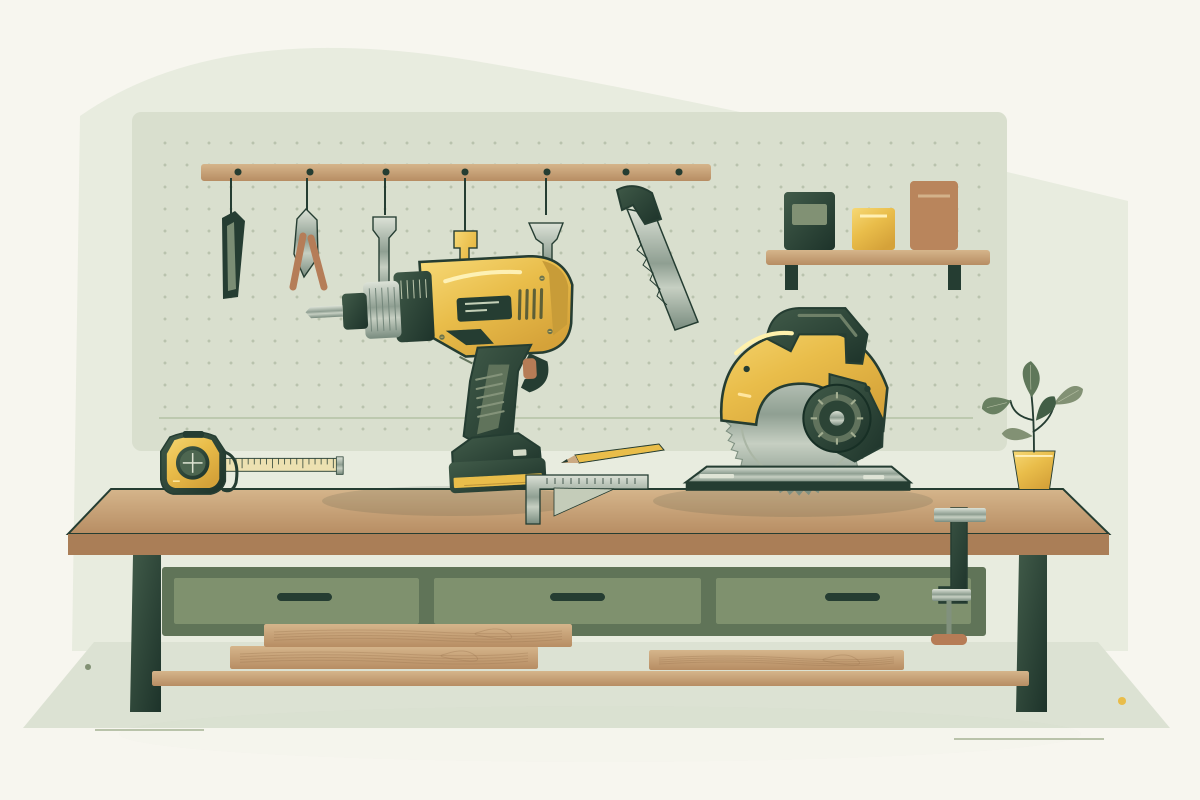
Workshop equipment
Benches, workholding, storage and dust management shaped around your space.
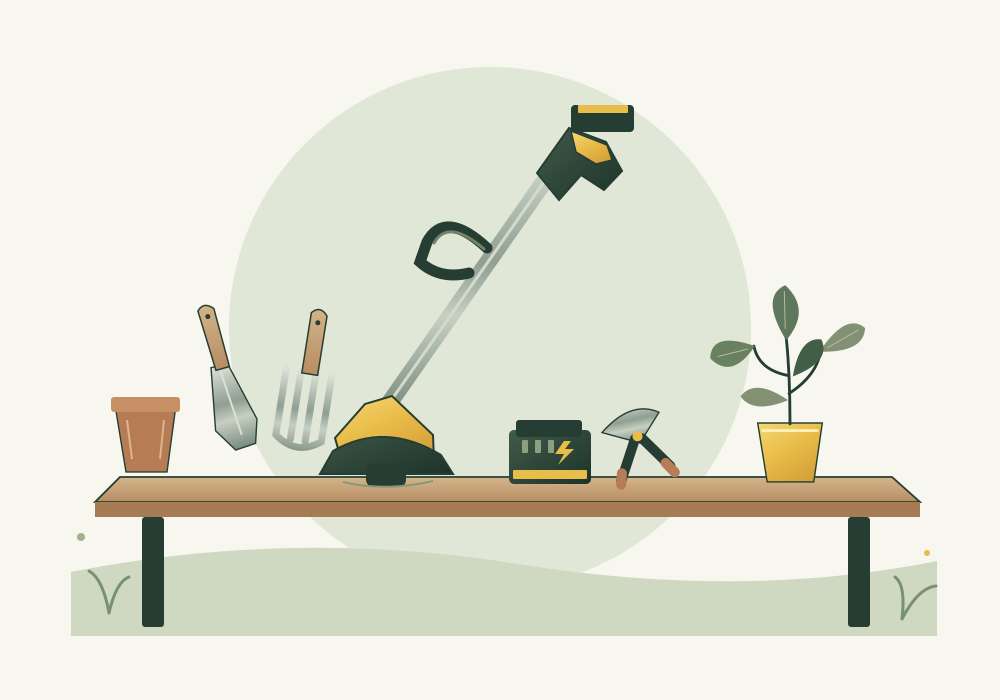
Garden tools
Outdoor equipment that suits your garden, reach and cordless system.
Accessories
Bits, blades, abrasives and attachments matched to the tool and material.
Toolkits
Starter sets and combination kits: look at what you will actually use.
Battery platforms
Understand cordless ecosystems before committing to your next tool.
Tool essentials
Clear explanations of the specifications and decisions behind better DIY.
Three questions
to narrow it down.
A useful specification is one that helps with your actual job. Keep the brief simple before comparing models.
- What are you working on?Start with the material, size and result. A curved cut, a deep hole and a smooth finish call for different tools.
- How often will you use it?Think about handling, storage and the workload you actually have, rather than the most demanding job you can imagine.
- What else does it need?Include suitable accessories, batteries, chargers and support equipment when comparing the complete cost.
Not sure what a term means?
Look up unfamiliar materials and specifications before making the choice.