 chuck
Educational guide based on our supplied DIY glossary. No hands-on testing or external source verification. Check current instructions for your exact tools and materials.
Separate the job from the product format
Removing material, levelling a surface and preparing between suitable finish coats are different aims. An abrasive that makes sense for one can create unnecessary damage in another. Describe what needs to change on the surface before choosing a grit or a machine. Thin veneers, edges and detailed shapes need particular care because there may be little material to spare.
Unknown older finishes are a separate question. Establish whether the surface is suitable to disturb before planning to sand it. Suspected lead paint or asbestos-containing material requires appropriate advice, not a different disc. The cleanliness of the finished surface does not tell you whether the work created a hazardous exposure along the way.
Match the size and attachment
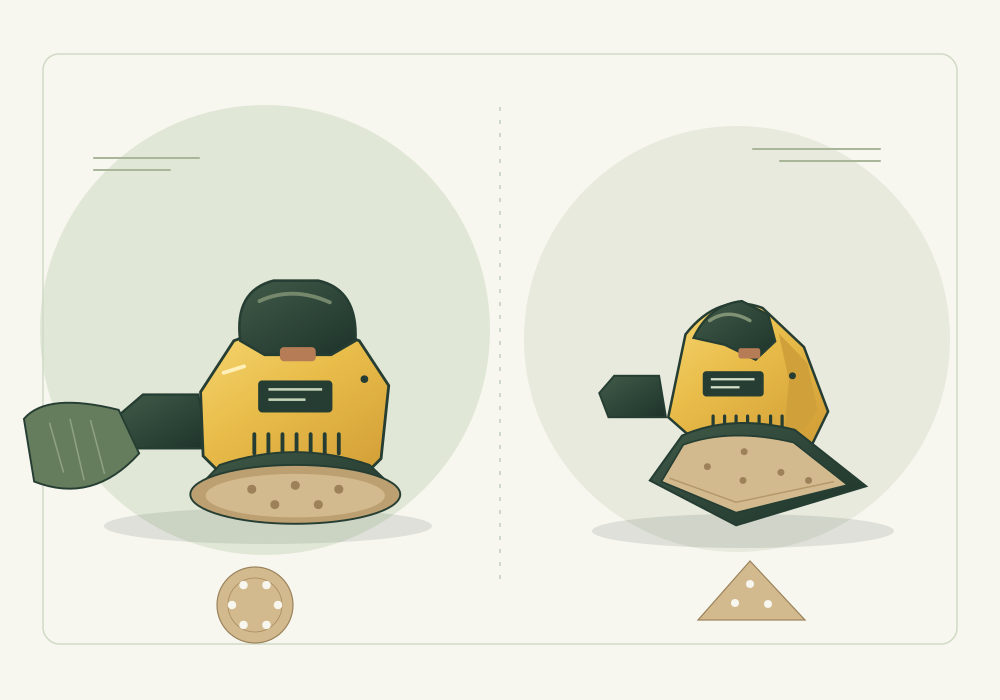
An abrasive needs to fit the intended tool and backing pad. Check the stated dimensions, shape and attachment method in the instructions. A product described as suitable for a general tool family may still be wrong for your exact model. Avoid buying a large pack on the assumption that a near match will be good enough.
Attachment systems can also affect replacement costs and availability. Consider whether suitable abrasives are easy to obtain for the work you expect to repeat. A discounted machine can become less convenient if its consumables are difficult to source. Physical attachment is necessary, but it is not proof that the abrasive material, operating limits and application are all suitable.
Keep the extraction path clear
Dust-hole patterns and the backing pad are part of the tool’s collection arrangement. A disc that covers the intended openings may interfere with that arrangement even if its diameter is correct. Check what the manufacturer specifies rather than judging compatibility solely by whether the disc stays attached.
Collection performance also depends on the rest of the system, including the tool, connection and suitable extraction equipment. A perforated disc does not establish adequate dust control by itself. Identify the material and follow relevant guidance for the job. Do not modify the disc, guard or collection arrangement simply to make an unsuitable product fit.
Treat grit as one part of a sequence
Grit describes abrasive size, but it does not remove the need to assess the surface and the intended coating or finish. The first abrasive should suit the condition you actually have. Starting too aggressively can create work that later stages must undo, or remove material that cannot be replaced.
Follow the relevant product and material guidance when planning any progression. There is no single grit sequence that suits every timber, coating and finish. Do not assume that the finest abrasive in a mixed pack must be used, or that every intermediate product is necessary. A finish manufacturer may have specific preparation requirements that matter more than a generic sanding checklist.
Consider backing and working shape
Flexible sheets, sanding blocks, shaped pads and machine discs reach different parts of a workpiece. A large flat surface, a rounded profile and an inside corner are not the same problem. Think about how the abrasive will contact the material rather than expecting one tool or disc shape to reach everything equally well.
Backing and construction also influence the product’s intended use. Read descriptions for the exact abrasive, including any limits or conditions. Labels such as durable or professional are not evidence of suitability for your task. If the application is unclear, ask the supplier or manufacturer before purchasing, especially when the job involves a material you have not worked with before.
Buy for the whole job, not the biggest bundle
A useful order contains the formats and grades you expect to need, with a realistic allowance for replacement. A large assortment may leave you with many items that do not fit your tool or suit the finish. Compare the usable contents rather than dividing the price by the total number of pieces.
Keep unused abrasives in suitable storage so that they remain identifiable and in good condition. Inspect products before use and follow the tool and abrasive instructions on replacement. An abrasive that no longer behaves as expected should prompt a check of the whole setup, not an assumption that pressing harder will solve the problem. Good selection is about a controlled result, not simply rapid removal.
The takeaway
- Check dimensions, attachment and dust-hole compatibility for the exact tool.
- Choose preparation around the surface and finish, not a universal grit sequence.
- Compare the abrasives you will use rather than the total pieces in a bundle.