Impact driver
Uses rotational impacts to help turn fixings as resistance rises. Most have a quick-release hex holder for compatible accessories.
 chuck & bit.Our approach
For repeated fastening: understand the bit holder, controls and place in your toolkit.
An impact driver earns its place when a project involves plenty of screws or demanding fixings. It complements a drill rather than replacing every drilling task. Look at the work you repeat, the control you need and the suitable bits available before adding another tool to your bag.
What to check before buying ↓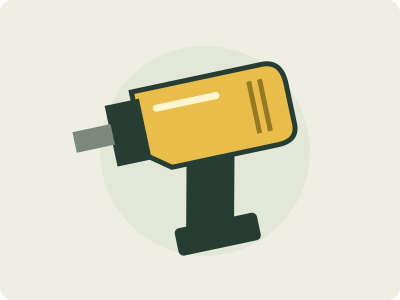 Start with the job.
Uses rotational impacts to help turn fixings as resistance rises. Most have a quick-release hex holder for compatible accessories.
Often the more flexible first tool for a mixture of holes and screws, with an adjustable chuck and a clutch for driving control.
A different tool intended for suitable nuts and bolts, usually using a square drive and compatible impact sockets.
Keep these checks beside you when comparing models, kits and retailer listings.
Work out whether an impact driver earns its place beside your drill, and what to compare before buying.
Read the guide →Drill drivers, combi drills and a clearer route to your first cordless tool.
Explore the category →
Bits, blades, abrasives and attachments matched to the tool and material.
Explore the category →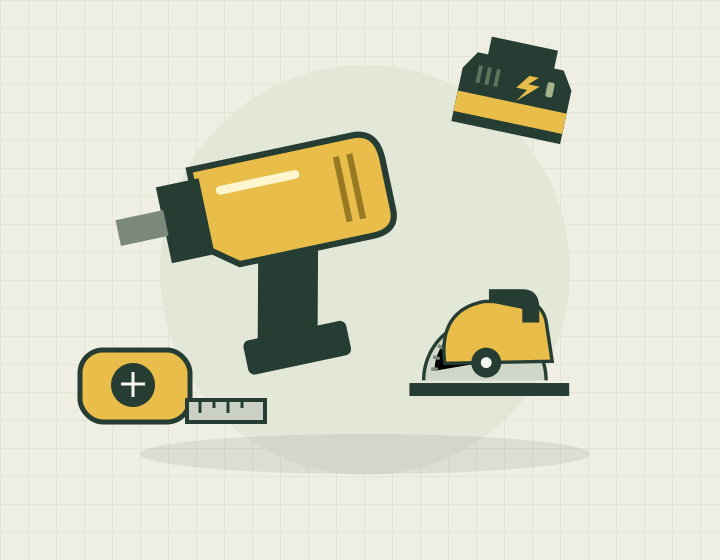
Starter sets and combination kits: look at what you will actually use.
Explore the category →These guides explain tool types and buying decisions. They are not hands-on product tests or model rankings. Check current instructions for exact tools, accessories and compatibility. Read our approach.